
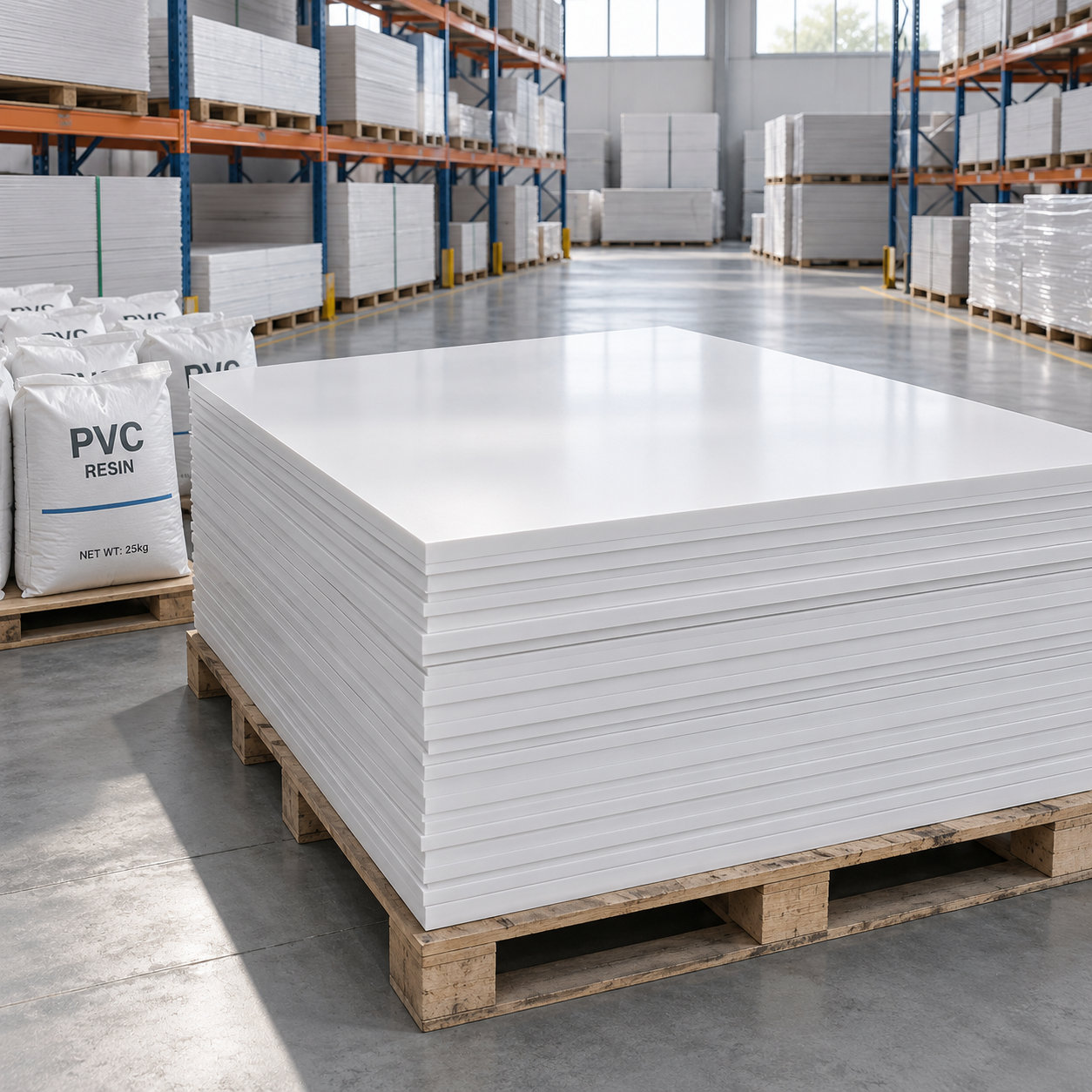
The supplied market update for October 19, 2026, describes a recovery in Linyi PVC prices, with stronger futures supporting higher spot offers. For distributors, raw material buyers and processors, the immediate issue is how those offers may affect purchasing and quotation decisions. The input identifies no accompanying policy, regulatory, certification or trade rule change, so the increase provides a basis for assessing commercial conditions rather than establishing new compliance obligations.
Offers Increase While Trading Remains Subdued
According to the supplied update, the Linyi PVC market strengthened on October 19, 2026. Futures opened higher and continued rising, while spot market offers followed the upward movement.
Distributors raised their offers by approximately RMB 50 per tonne compared with the previous trading day. Mainstream quotations for calcium carbide process Type 5 PVC stood at RMB 4,890–4,940 per tonne. Market participants largely adopted a wait-and-see stance, and trading activity was described as average.
Purchasing and Resale Decisions Face Closer Scrutiny
Buyers may need to reassess replenishment costs
Analysis suggests that higher spot offers could increase the quoted cost of replenishment for PVC buyers. However, the reported quotation range does not establish the price available for every order. Buyers could therefore compare current supplier offers with their purchasing requirements before revising budgets or placing orders. Nothing in the supplied update establishes a change to product acceptance, certification or procurement eligibility requirements.
Distributors may need to check quotation validity
From a distribution perspective, the combination of rising offers and average trading activity may complicate resale pricing. Distributors could review how long supplier quotations remain valid and whether customer offers reflect the same purchasing basis. This is a commercial consideration arising from price movement; the input does not identify any new mandatory pricing or contract rule.
Processors may face uncertainty when pricing orders
Analysis suggests that processors purchasing the quoted PVC grade could face uncertainty when estimating material costs for upcoming orders. The practical issue would be whether a higher replacement cost affects a particular order's economics. The update does not establish changes to downstream selling prices, production schedules or delivery performance, so those effects would require separate verification.
Check Offer Terms Before Revising Purchase Plans
Confirm the basis of the quoted range
As a procurement precaution, buyers could confirm that an offer covers calcium carbide process Type 5 PVC and clarify the terms attached to it. The supplied range does not specify individual suppliers, quantities, payment arrangements or delivery conditions. Comparing those details may help determine whether different offers are commercially comparable.
Distinguish a higher offer from a completed transaction
Analysis suggests that the reported wait-and-see sentiment makes the gap between asking prices and accepted transaction prices particularly relevant. Procurement teams could seek confirmation of executable offers before treating the full quoted increase as an established purchasing cost. The input provides no transaction-level evidence that would resolve that question.
Review purchasing timing against confirmed needs
As a planning option, companies could reassess purchasing timing against confirmed material requirements and supplier availability. A single reported market increase does not establish that prices will continue rising or that supply will become constrained. Any decision to bring purchases forward would therefore benefit from checking the actual order terms and delivery commitments available.
Keep compliance reviews tied to verified changes
For compliance review, the supplied update offers no basis for concluding that certificates, technical documents, trade declarations or supplier qualification requirements have changed. If a counterparty attributes revised terms to a new regulatory obligation, companies could request the applicable document and verify its scope before changing procedures. This is a verification recommendation, not evidence that such an obligation has been introduced.
A Commercial Pricing Signal, With No Identified Rule Change
Editorial analysis: the information is best understood as a market pricing signal. Futures strengthened, spot offers increased and trading remained average, but the input does not connect those movements to a policy announcement or a change in regulatory enforcement. Attributing the increase to a new rule would exceed the available evidence.
What deserves closer attention is whether subsequent trading supports the higher offers and whether buyers accept revised terms. If a connection to policy or trade requirements is later claimed, the underlying official text, effective date and applicable scope would need verification before that claim could inform compliance decisions.
Use the Update to Review Costs and Terms
On the supplied evidence, the practical significance for industry participants lies in reviewing purchasing costs, quotation validity and order terms. Analysis supports treating the reported increase as a prompt for commercial checks, while leaving the durability of the rise open to further market evidence. It does not support treating the update as an implemented regulatory change or a new certification requirement.
Basis of This Article and Further Verification
This article was prepared from the user-provided news title, event date and event summary. No specific official source link was included in the input, and the reported market information has not been independently verified here. Further verification remains necessary through the underlying market report and subsequent market feedback.
Further observation could focus on executable quotations, transaction activity, buyer acceptance and supplier delivery commitments. Any later assertion of a policy, certification or trade rule change would also require verification against the relevant official publication and evidence of its implementation.
Related Posts
- PVC Futures Rebound as Formosa Plastics’ December Offers Expected to Hold SteadyNov 25, 2026PVC futures rebound as Formosa Plastics’ December offers are expected to hold steady. Explore regional price signals and what buyers should watch.
- PVC Benchmark Falls to 4,775 Yuan per Tonne on November 24, Down 9.48% in NovemberNov 25, 2026PVC benchmark price fell to 4,775 yuan per tonne on November 24, down 9.48% in November. Explore Linyi offers and key procurement considerations.
- EU Plastic Waste Export Ban Takes Effect for Non-OECD CountriesNov 24, 2026Explore how the EU plastic waste export ban to non-OECD countries could reshape recycling capacity and recycled PVC feedstock supply.
Get A Quote

First class quality service and professional after-sales team.
Get A Quote
*We respect your confidentiality and all information are protected.