
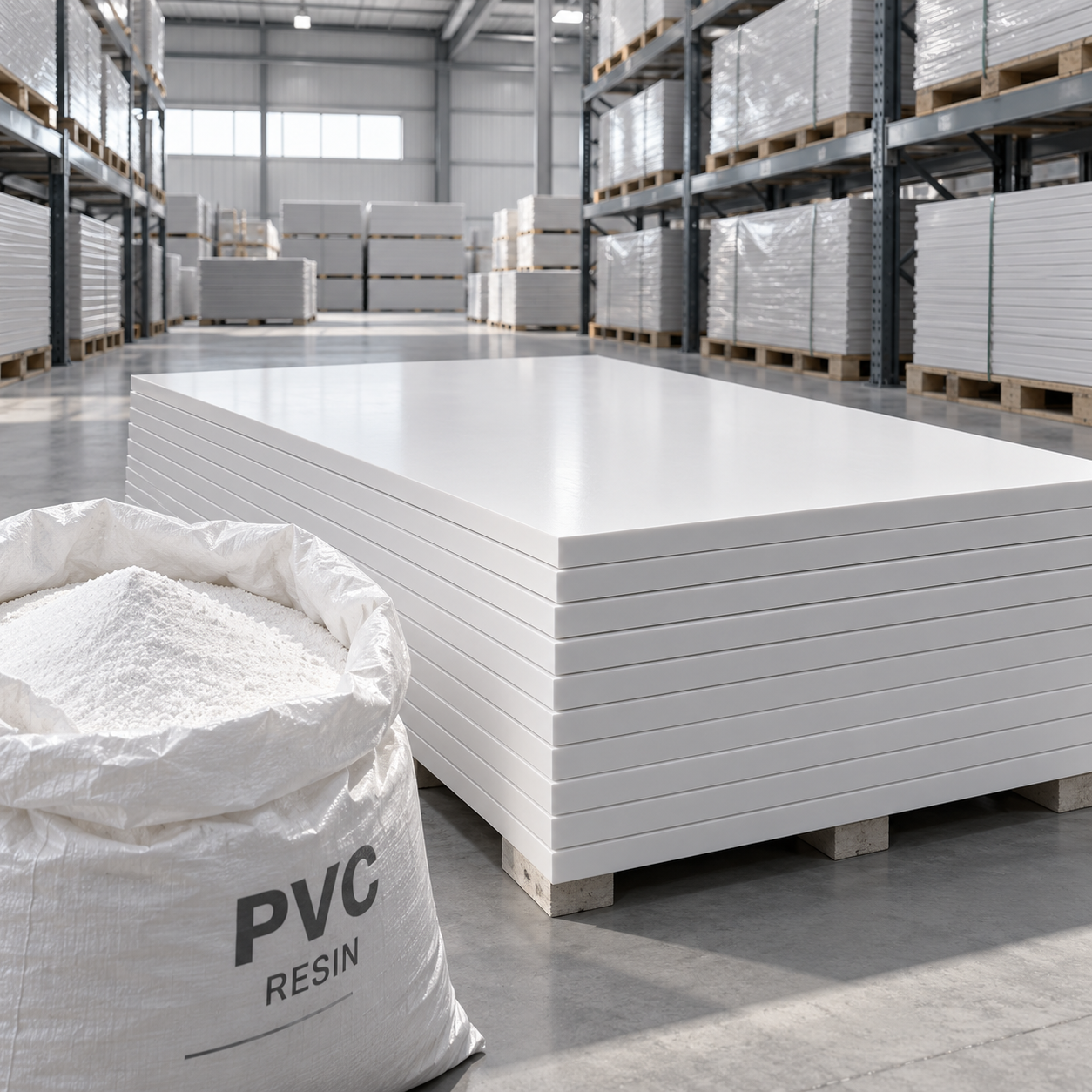
China PVC futures reached 4,969 yuan per tonne on October 20, 2026, up 0.91% from the previous trading day, according to the supplied summary citing Trading Economics. For PVC board manufacturers and downstream buyers, the reported increase raises questions about raw material costs, quotation terms and purchasing commitments. The supplied information identifies a market price movement but does not establish any change to policy, regulation, certification or trade requirements; its immediate relevance is therefore to procurement and contract decisions.
The Reported Increase Extends Beyond One Trading Day
The supplied information reports that Chinese polyvinyl chloride futures rose by 45 yuan per tonne, or 0.91%, to 4,969 yuan per tonne on October 20, 2026. It also reports a cumulative increase of 4.68% over the preceding month and a year-to-date gain of 7.72%.
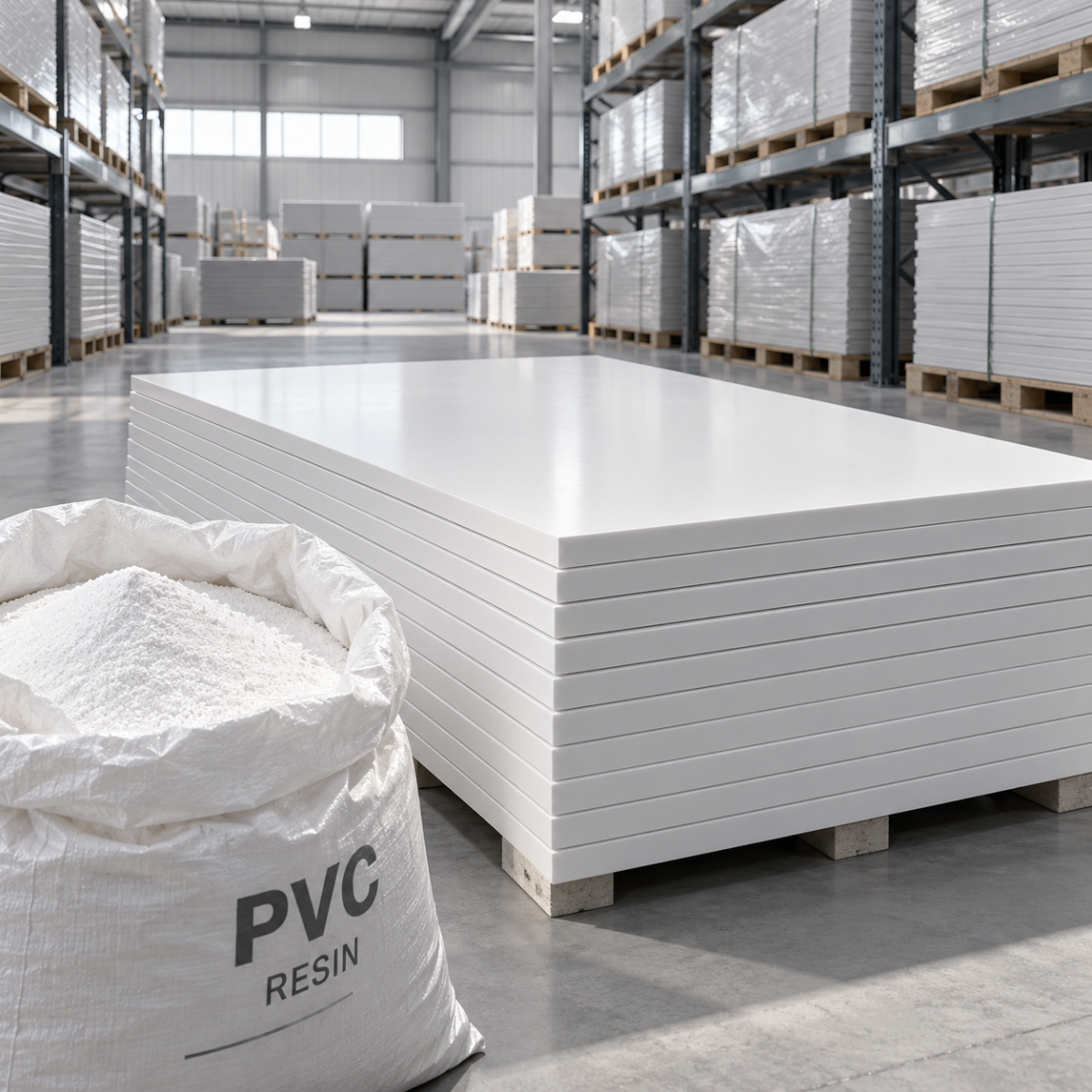
PVC resin is identified in the supplied summary as a core raw material for PVC boards. The summary links its sustained price recovery to board production costs, downstream purchasing prices and manufacturers’ profit margins.
Cost Exposure Depends on Purchasing and Sales Terms
Resin Buyers May Need to Reassess Purchase Timing
From an industry perspective, the reported rise could affect resin buyers as they compare new supplier quotations with purchasing budgets and outstanding orders. The practical question is whether actual procurement prices reflect the futures movement. The supplied information does not establish that physical resin prices or individual supply contracts have increased by the same amount or percentage.
Board Manufacturers Face Questions About Cost Recovery
Analysis suggests that manufacturers could experience margin pressure if resin purchasing costs rise while board selling prices remain fixed. The extent of that pressure would depend on purchase timing, inventory costs and the pricing terms of existing orders. Manufacturers may therefore need to examine whether their quotations and contracts allow cost changes to be reflected in future sales, without assuming that existing commitments can be revised unilaterally.
Downstream Buyers May Encounter Revised Quotations
For downstream purchasers and distributors, a possible consequence is greater attention to quotation validity and the price agreed when an order is confirmed. Analysis suggests that buyers may benefit from checking whether proposed increases relate to resin costs, when the revised price would apply and which deliveries it would cover. These are potential commercial responses; the supplied information does not confirm that suppliers have already changed their terms.
Three Checks Before Revising Prices or Orders
Compare Futures Data With Actual Resin Offers
As a procurement recommendation, businesses could compare the reported market movement with current supplier offers and the costs attached to planned purchases. A futures quotation alone does not establish the price payable for a particular resin order. That distinction matters when deciding whether a board price adjustment has a documented cost basis.
Review Price Adjustment and Delivery Clauses
As a contract review measure, manufacturers and purchasers could check quotation expiry dates, order confirmation terms and any agreed price adjustment provisions. Where a revision is proposed, recording its scope and effective date may help clarify which orders and deliveries it affects. The reported increase does not itself create a contractual right to change prices.
Keep Specification Decisions Subject to Verification
If higher purchasing costs prompt consideration of alternative resin or board specifications, a prudent response would be to verify suitability against the relevant customer requirements and agreed product documentation. This is an analytical recommendation, not evidence of a new certification obligation. The supplied information identifies no revised testing, certification or supplier qualification requirement.
A Pricing Signal, With No Established Regulatory Trigger
At this stage, it is more appropriate to understand the report as a market pricing signal than as evidence of a rule taking effect. The supplied material does not identify a policy announcement, amended standard, certification decision or trade measure behind the increase. Attributing the movement to any such development would go beyond the available information.
From an editorial perspective, the next useful evidence would be whether the reported futures rise is reflected in resin offers, board quotations and negotiated order terms. Any subsequent claim that compliance or trade requirements have changed would require separate supporting documentation. Commercial price adjustments and mandatory requirements should each be assessed on their own evidence.
Use the Price Movement to Review Exposure
Analysis suggests that the reported daily, monthly and year-to-date gains justify a focused review of purchasing costs and pricing commitments across the PVC board supply chain. They do not establish the size or timing of any increase in finished board prices. For businesses, the proportionate response is to verify actual purchase costs, assess the terms of affected orders and monitor supplier and buyer responses before changing commitments.
The Supplied Market Report Remains the Evidence Base
This article was prepared solely from the user-provided news title, event date and event summary. The summary attributes the price figures to Trading Economics. No specific official source link or underlying market-data link was provided in the input, and the reported figures remain subject to further verification.
Follow-up verification should focus on the underlying price record, actual resin and board quotations, and industry feedback on purchasing and delivery terms. If later information identifies a policy, certification or trade development, its original documentation and implementation details would need to be checked separately before drawing conclusions about new obligations.
Related Posts
- PVC Futures Rebound as Formosa Plastics’ December Offers Expected to Hold SteadyNov 25, 2026PVC futures rebound as Formosa Plastics’ December offers are expected to hold steady. Explore regional price signals and what buyers should watch.
- PVC Benchmark Falls to 4,775 Yuan per Tonne on November 24, Down 9.48% in NovemberNov 25, 2026PVC benchmark price fell to 4,775 yuan per tonne on November 24, down 9.48% in November. Explore Linyi offers and key procurement considerations.
- EU Plastic Waste Export Ban Takes Effect for Non-OECD CountriesNov 24, 2026Explore how the EU plastic waste export ban to non-OECD countries could reshape recycling capacity and recycled PVC feedstock supply.
Get A Quote

First class quality service and professional after-sales team.
Get A Quote
*We respect your confidentiality and all information are protected.