
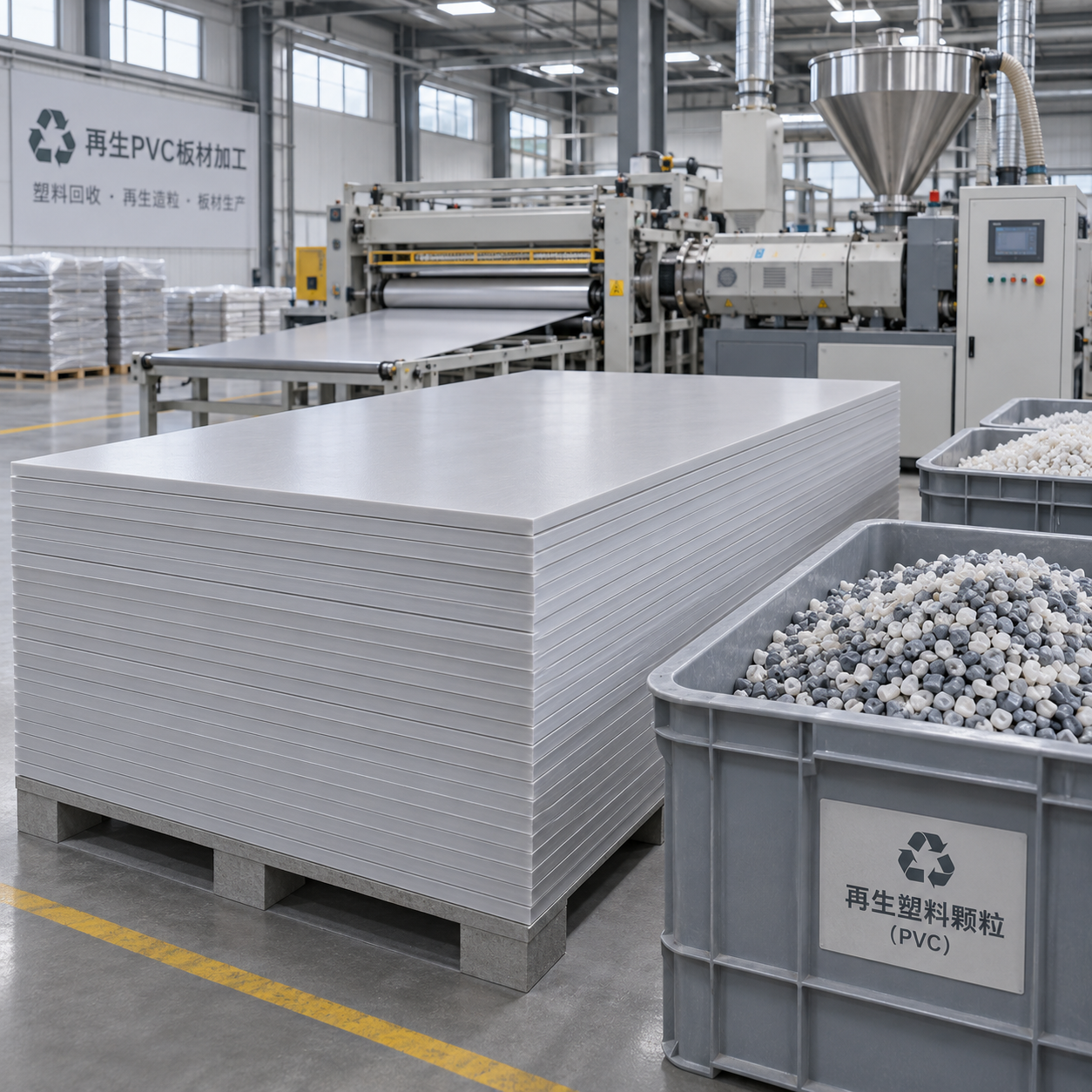
On November 21, 2026, the EU’s Waste Shipment Regulation introduced a full ban on exports of plastic waste to countries outside the Organisation for Economic Co-operation and Development (OECD). The prohibition is set to remain in place until at least May 2029.
The change closes an export route for EU plastic waste and shifts attention to what can be collected, sorted and processed within the bloc. Its effects may extend beyond waste shipments: changes in where material is handled could also influence the availability and movement of recycled plastic feedstock, including PVC.
Industry analysis suggests that the policy will interrupt the cross-border movement of millions of tonnes of waste plastic each year. That estimate describes the potential scale of the disruption, rather than a measured outcome of the ban. The eventual effect on individual material streams will depend on how much waste is redirected, processed within the EU or managed through other permitted channels.
Where the first pressures may emerge
The most immediate question for companies handling EU plastic waste is where material previously destined for non-OECD countries will go. If alternative processing capacity is not available at the same pace as export routes close, waste handlers may face pressure to adjust collection, sorting, storage and shipment arrangements.
For recyclers inside the EU, the prospect of more material remaining in the bloc could create opportunities to process additional waste. The commercial outcome is less straightforward: material must be suitable for the available processing capacity and meet the requirements of buyers of recycled feedstock. More waste staying within the EU does not automatically translate into an equivalent increase in usable recycled plastic.
Businesses that previously received EU waste in non-OECD countries face a different issue: access to that particular source of material is restricted by the ban. Depending on their operations and other available supplies, they may need to reassess sourcing and processing plans. The impact will vary with their exposure to EU exports and their ability to obtain suitable alternatives.
Implications for recycled plastic supply
The distinction between plastic waste and recycled plastic feedstock matters when assessing the policy. The ban applies to exports of plastic waste to non-OECD countries; the supplied information does not establish a corresponding prohibition on all trade in recycled plastic products or feedstock.
Nevertheless, a change in waste flows can affect feedstock markets indirectly. If more material is processed within the EU, the location at which recycled output becomes available may change. If processing capacity does not expand sufficiently, some potential feedstock could take longer to reach users. Neither outcome is guaranteed, and the scale of any shift remains dependent on how the supply chain responds.
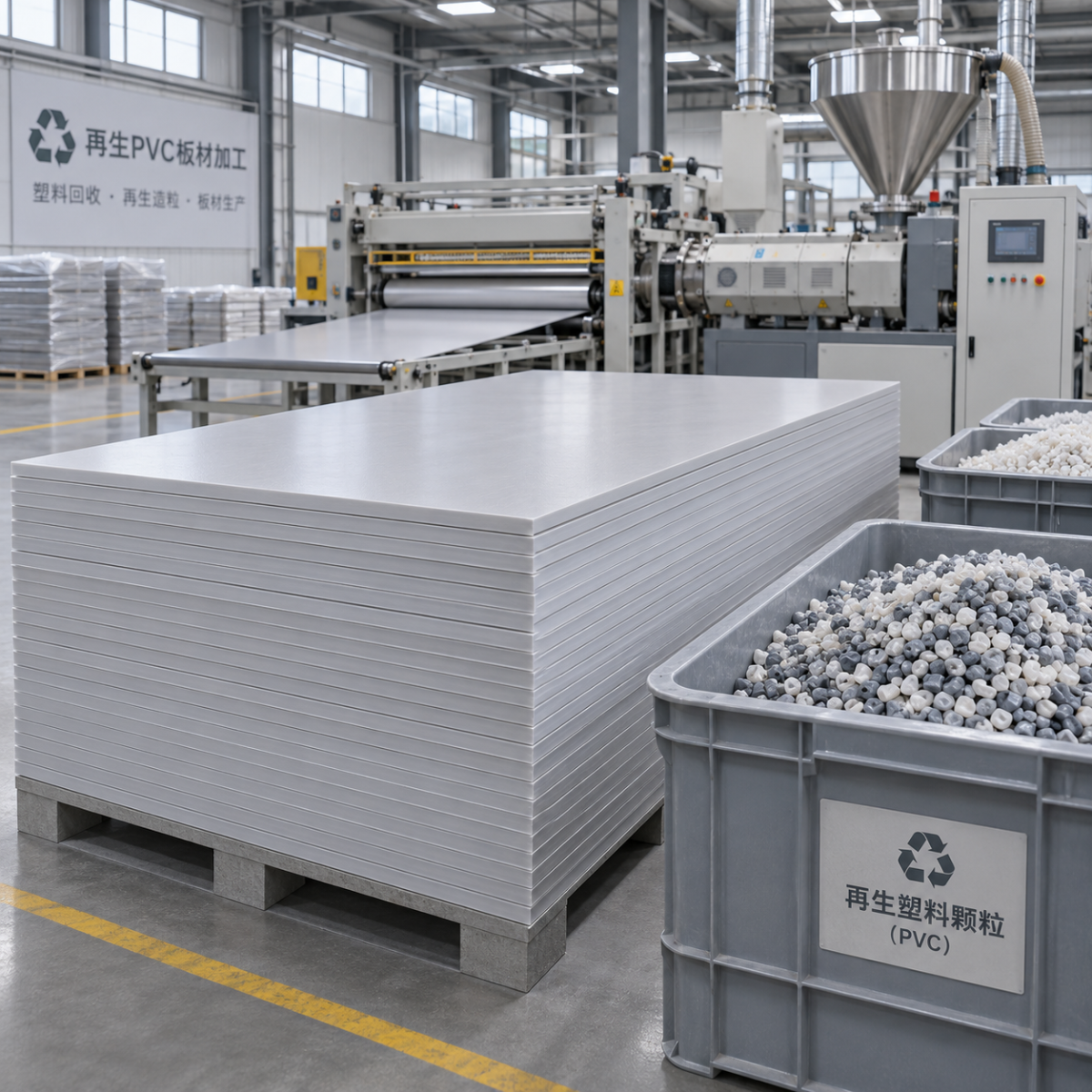
PVC is among the materials for which buyers and processors may want to follow these changes. Its inclusion in the broader discussion does not mean that every PVC supply route will be affected in the same way. The consequences for a particular transaction will depend on the material being traded, its processing stage and the route involved.
Prices and delivery terms could also respond if the balance between available material and processing demand changes. The direction and size of any such movement cannot be inferred from the export ban alone. Material quality, processing capacity and alternative sources of supply will all influence the outcome.
What will determine the longer-term effect
The central longer-term issue is whether EU recycling and processing capacity can absorb the material affected by the export restriction. Capacity in aggregate is only part of the question: it also matters whether facilities can handle the types and condition of waste that become available, and whether there is demand for their output.
The duration of the restriction provides a planning horizon through at least May 2029, but it does not by itself establish what will happen after that date. Developments to watch include changes in EU processing capacity, the routes used for affected waste, and the availability of recycled material to downstream buyers.
For now, the clearest conclusion is that the ban changes an established destination option for EU plastic waste. How much it reshapes the wider recycled plastics supply chain will become clearer as businesses adjust their sourcing and processing arrangements and as further information on material flows becomes available.
Related Posts
- EU Plastic Waste Export Ban Takes Effect for Non-OECD CountriesNov 24, 2026Explore how the EU plastic waste export ban to non-OECD countries could reshape recycling capacity and recycled PVC feedstock supply.
- Westlake Agrees to $199 Million PVC Pipe Price-Fixing SettlementNov 24, 2026Westlake's $199 million PVC pipe price-fixing settlement brings its total to $266 million. Explore what the agreement means for the PVC industry.
- Zhongtai Futures Sees Range-Bound PVC Market as Supply-Demand Pressures PersistNov 23, 2026PVC market outlook: Explore Zhongtai Futures’ range-bound forecast and how restart delays, energy prices, and raw material costs could shape prices.
Get A Quote

First class quality service and professional after-sales team.
Get A Quote
*We respect your confidentiality and all information are protected.