
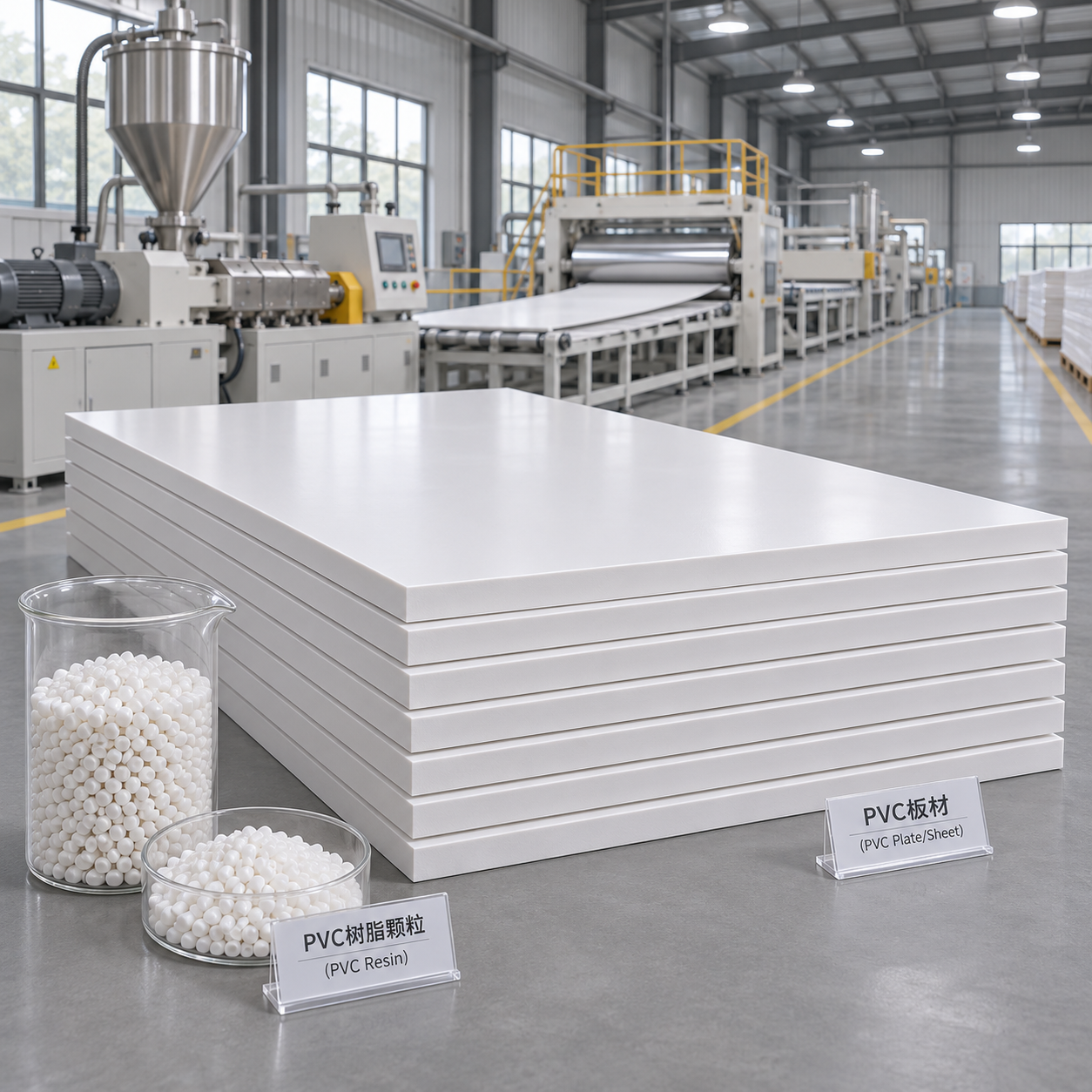
On November 13, 2026, the most-active PVC futures contract rose 2% during the trading day to 5,029 yuan per tonne, according to a 14:08 report by the Financial Associated Press. The move matters to PVC sheet manufacturers and their customers because changes in raw material prices can affect purchasing costs. The supplied report identifies no policy, regulatory or industry rule change, so the development is best assessed as a market signal with potential implications for procurement and delivery.
What the November 13 Price Report Established
The Financial Associated Press reported at 14:08 on November 13, 2026, that the continuous most-active PVC futures contract had risen 2% intraday and was quoted at 5,029 yuan per tonne. The supplied summary also states that most domestic commodity futures closed higher that day and that PVC futures rose by more than 1%.
The report describes short-term bullish sentiment about the direction of PVC raw material prices. It also identifies PVC sheets as a downstream product for which raw material price movements directly affect costs. The supplied information does not identify a change to a law, standard, certification requirement or trade rule.
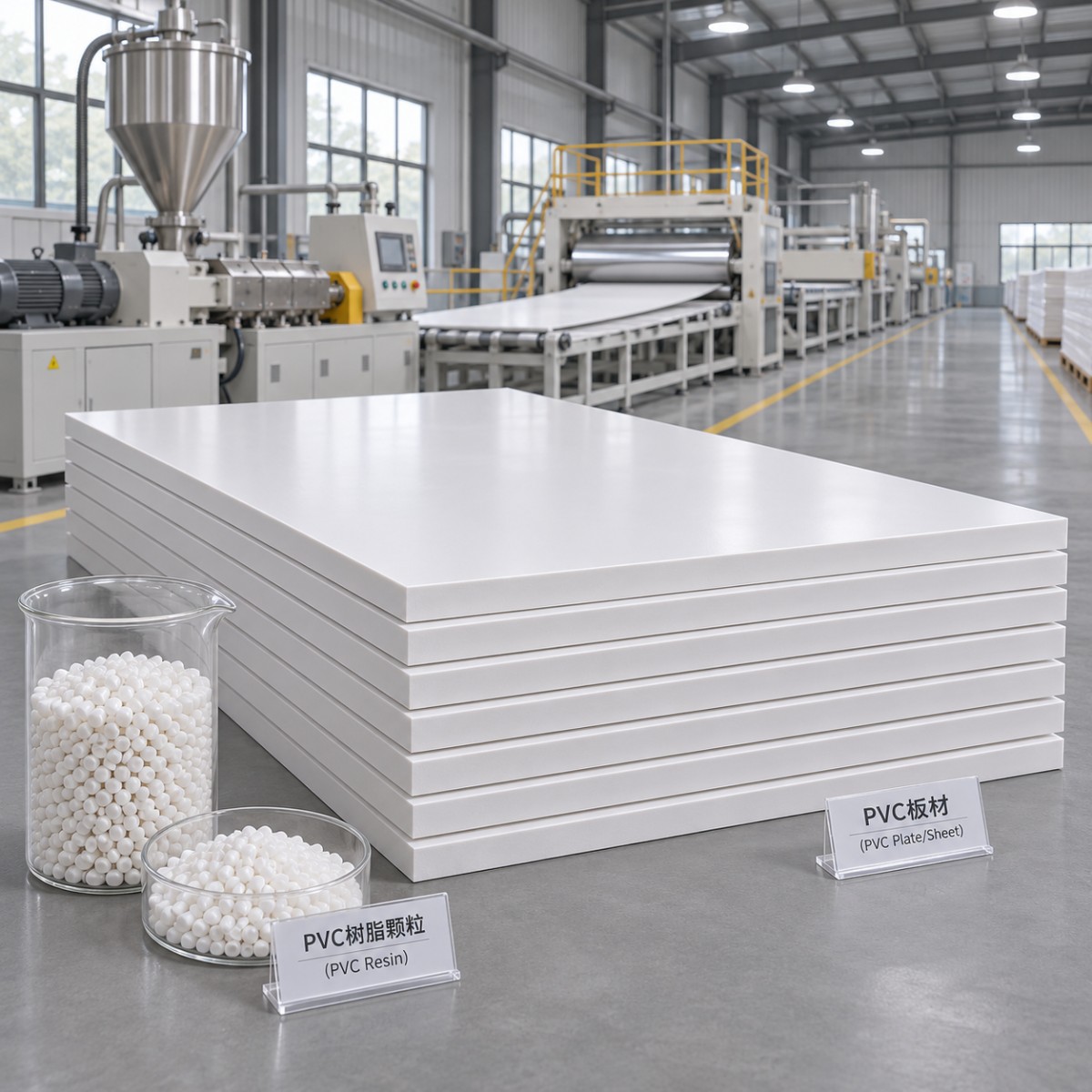
Where a Higher PVC Quote Could Reach the Supply Chain
Raw Material Buyers and Sheet Manufacturers
From an industry perspective, the futures move gives PVC buyers a reason to review the cost assumptions behind planned purchases. Sheet manufacturers may face pressure on material budgets if changes in futures prices are reflected in the prices available to them. The reported futures quote alone, however, does not establish the price of any physical transaction or show how much an individual manufacturer will pay.
Manufacturers may therefore find it useful to compare current supplier quotations with the assumptions used for outstanding customer offers. The practical question is whether a quotation remains valid long enough to support the intended purchase and production schedule. Any effect on finished sheet prices would depend on factors not established by the supplied report, including the terms agreed between buyers and sellers.
Traders and Downstream Purchasers
Analysis suggests that traders and purchasers of PVC products may need to pay closer attention to quote validity and the timing of orders when raw material prices move. A buyer seeking a fixed product price and a seller facing uncertain replacement costs could have different expectations about when a price is confirmed. Reviewing those expectations before an order is placed may reduce uncertainty for both parties.
For downstream buyers, a futures increase is a reason to ask how a supplier has calculated an offer, rather than proof that an existing contract has changed. Delivery dates, quantities and any agreed price adjustment provisions should be checked against the relevant commercial documents. The input does not report any new mandatory contract terms or delivery requirements.
Procurement Decisions After the Intraday Move
Separate the Futures Signal from Supplier Prices
Purchasing teams can use the reported movement as a prompt to request updated quotations and compare them with budgeted material costs. They should distinguish the intraday futures quote from the price, quantity and delivery terms actually offered by a supplier. The information provided does not establish whether physical PVC prices moved by the same percentage or at the same time.
Review Open Offers and Order Timing
Companies preparing PVC sheet quotations may wish to check when their offers expire and when raw material purchases are expected to be made. Where an offer depends on an assumed input cost, documenting that assumption internally can help staff assess whether a revised quotation is needed. These are commercial precautions, not requirements introduced by the reported price movement.
Check Contract and Delivery Assumptions
For orders already under discussion, buyers and sellers can review the agreed price basis, quantities and delivery timetable. If a contract contains a price adjustment mechanism, its wording should be assessed on its own terms; the supplied report does not say that such a mechanism applies. Teams can also verify whether supplier quotes cover the intended delivery period before relying on them in customer commitments.
Keep Product Requirements in View
If cost pressure leads a company to consider a different material or product, the proposed option should be checked against the customer's specifications before it is adopted. Any relevant documentation or testing should be reviewed according to the requirements of the particular order. The report provides no evidence of a change to product standards or certification rules.
Why One Trading Session Is a Signal, Not a Rule Change
At this stage, it is more appropriate to understand the reported rise as a short-term market signal than as an implemented policy or an indication of regulatory enforcement. The supplied information supports a view that sentiment was bullish during the reported session, but it does not establish the duration of that sentiment or the direction of later prices.
What deserves closer attention is whether subsequent supplier quotations and customer orders reflect the movement, and whether any later official or industry communications introduce relevant changes. Those developments would need separate verification. A futures quote cannot by itself establish a new compliance obligation, a change in certification practice or a uniform outcome across the supply chain.
Keeping the Price Move in Perspective
The November 13 quote gives PVC sheet businesses a concrete point for reviewing raw material assumptions, quotations and delivery commitments. Its eventual effect on individual transactions remains uncertain. A measured response is to monitor available prices, check the terms of each order and distinguish verified rule changes from commercial decisions made in response to market conditions.
What the Supplied Report Covers and What Still Needs Checking
This article is based on the user-provided news title, event timing and summary, including the Financial Associated Press report cited in that material. No specific official source link was provided in the input, so the underlying information and any subsequent developments should continue to be verified. Relevant follow-up may include authoritative media reports, official announcements, industry feedback and the terms appearing in actual supplier quotations and purchase documents.
Related Posts
- Zhongtai Futures Sees Range-Bound PVC Market as Supply-Demand Pressures PersistNov 23, 2026PVC market outlook: Explore Zhongtai Futures’ range-bound forecast and how restart delays, energy prices, and raw material costs could shape prices.
- EU Registers PVC Imports From China and Other Origins in Anti-Dumping CaseNov 23, 2026EU PVC import registration could create future duty risks for shipments from China and other origins. Explore the potential impact on buyers and suppliers.
- EU Ban on Plastic Waste Exports to Non-OECD Countries Takes EffectNov 22, 2026EU plastic waste export ban: Explore potential impacts on trade routes, recycled plastic sourcing and PVC sheet supply chains, and learn what businesses should check.
Get A Quote

First class quality service and professional after-sales team.
Get A Quote
*We respect your confidentiality and all information are protected.