
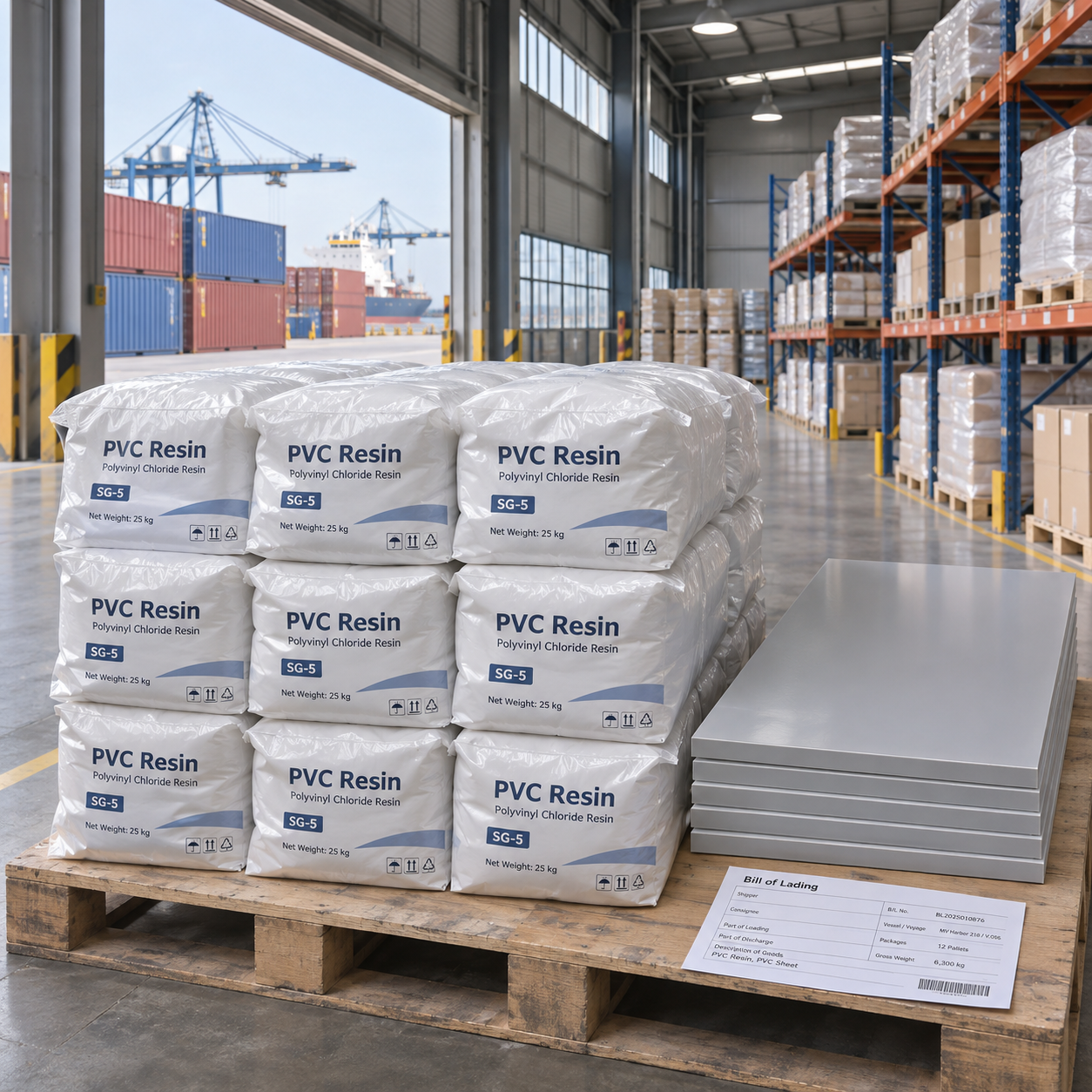
The European Commission has introduced customs registration for imports of PVC covered by an anti-dumping investigation involving China, South Korea, Mexico and Taiwan. The measure is intended to preserve the possibility of collecting definitive anti-dumping duties retrospectively on registered products if a later decision provides for such duties.
The Commission announced the investigation on September 23, 2026, and announced the import registration measure on October 26. The product concerned falls under EU customs code CN 39041000. On November 22, the Chinese National Federation of Industries in Taiwan circulated the information to alert businesses.
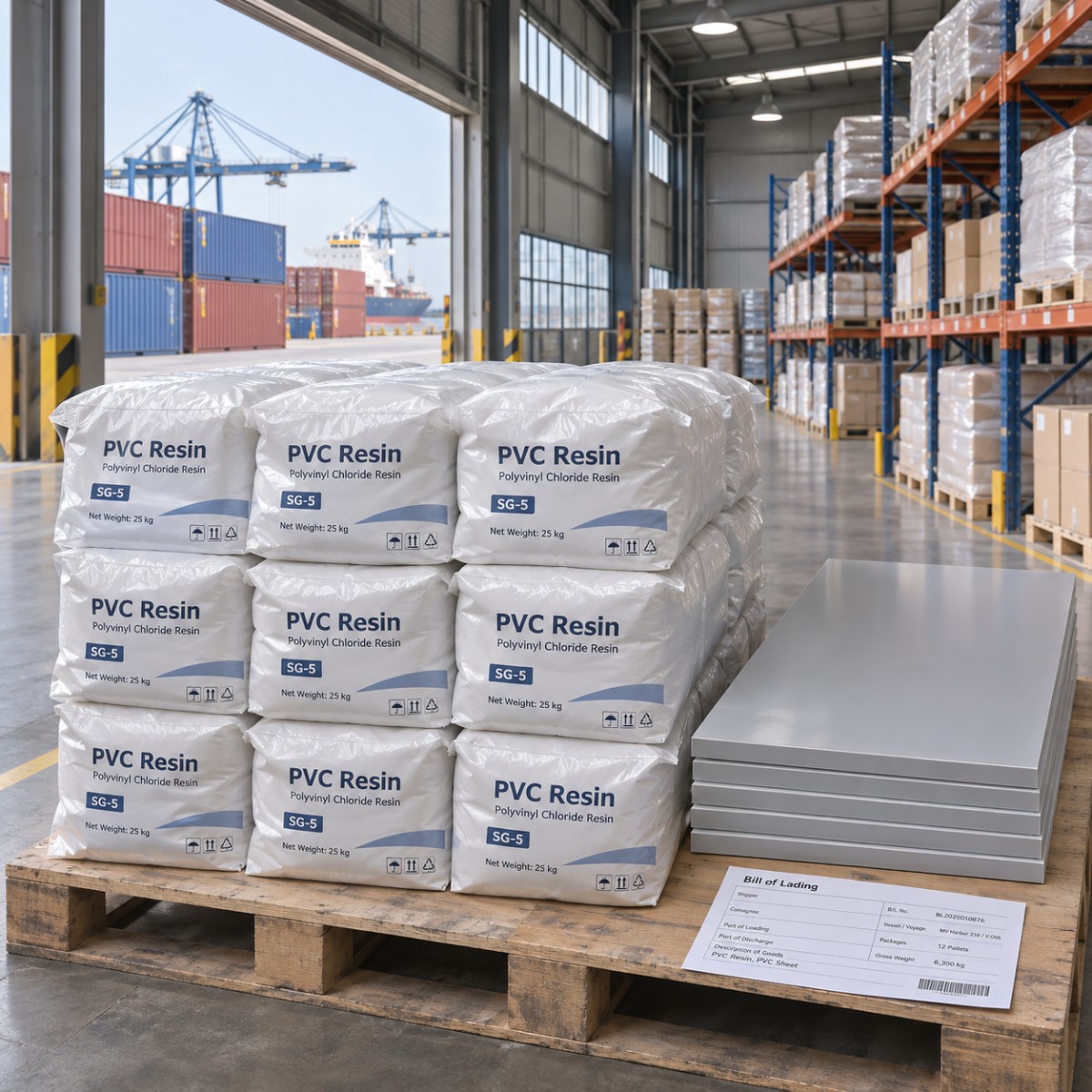
What registration means for PVC shipments
Registration creates a record of the relevant imports for a possible later duty decision. Its immediate significance is the potential exposure associated with registered shipments: businesses trading in the product may need to consider a future charge whose application depends on the outcome of the investigation and the subsequent decision.
The announcement of registration does not itself establish that a definitive anti-dumping duty will be imposed or specify a duty rate. Nor does the information available establish the amount that any importer would ultimately owe. Those questions depend on later decisions in the proceeding.
The CN code provides a starting point for identifying goods potentially affected by the measure. Businesses handling PVC imports may need to assess the product description and origin of individual shipments against the applicable announcements. The code alone should not be treated as a complete determination of whether a particular shipment is covered.
Where the commercial effects could appear
For importers and buyers, the most immediate issue is the uncertainty surrounding the eventual cost of registered goods. A decision to impose duties retrospectively could affect the cost of shipments already recorded under the measure. Whether that cost is borne by an importer, supplier or customer would depend on the terms of the relevant transaction.
Exporters and their customers may therefore place greater attention on shipment records, product classification and contract terms while the investigation continues. The measure could also influence purchasing discussions, although the information announced does not establish that prices, order volumes or delivery schedules have changed.
Further official announcements will be central to assessing the outcome, including whether definitive duties are imposed, which products and imports are covered, and whether any duties apply retrospectively. Until those decisions are made, registration identifies a potential liability for covered trade rather than a settled final charge.
Related Posts
- Zhongtai Futures Sees Range-Bound PVC Market as Supply-Demand Pressures PersistNov 23, 2026PVC market outlook: Explore Zhongtai Futures’ range-bound forecast and how restart delays, energy prices, and raw material costs could shape prices.
- EU Registers PVC Imports From China and Other Origins in Anti-Dumping CaseNov 23, 2026EU PVC import registration could create future duty risks for shipments from China and other origins. Explore the potential impact on buyers and suppliers.
- EU Ban on Plastic Waste Exports to Non-OECD Countries Takes EffectNov 22, 2026EU plastic waste export ban: Explore potential impacts on trade routes, recycled plastic sourcing and PVC sheet supply chains, and learn what businesses should check.
Get A Quote

First class quality service and professional after-sales team.
Get A Quote
*We respect your confidentiality and all information are protected.