

On November 21, 2026, the European Union’s ban on plastic waste exports to countries outside the Organisation for Economic Co-operation and Development (OECD) took effect, alongside tighter provisions for exports to OECD members. The change matters to waste exporters, processors and buyers of recycled plastics because destination choices and sourcing arrangements may need to be reassessed across the supply chain.
Export rules now distinguish between destinations
The ban applies to EU exports of plastic waste to non-OECD countries. At the same time, the EU has tightened the rules governing exports to OECD member countries.
The EU generates approximately 40 million metric tonnes of plastic waste each year, of which 1.5 million metric tonnes are exported overseas. Major receiving countries include Turkey, the United Kingdom, Malaysia and Indonesia. The policy will reshape global waste-plastic trade flows and recycled-plastic supply chains.
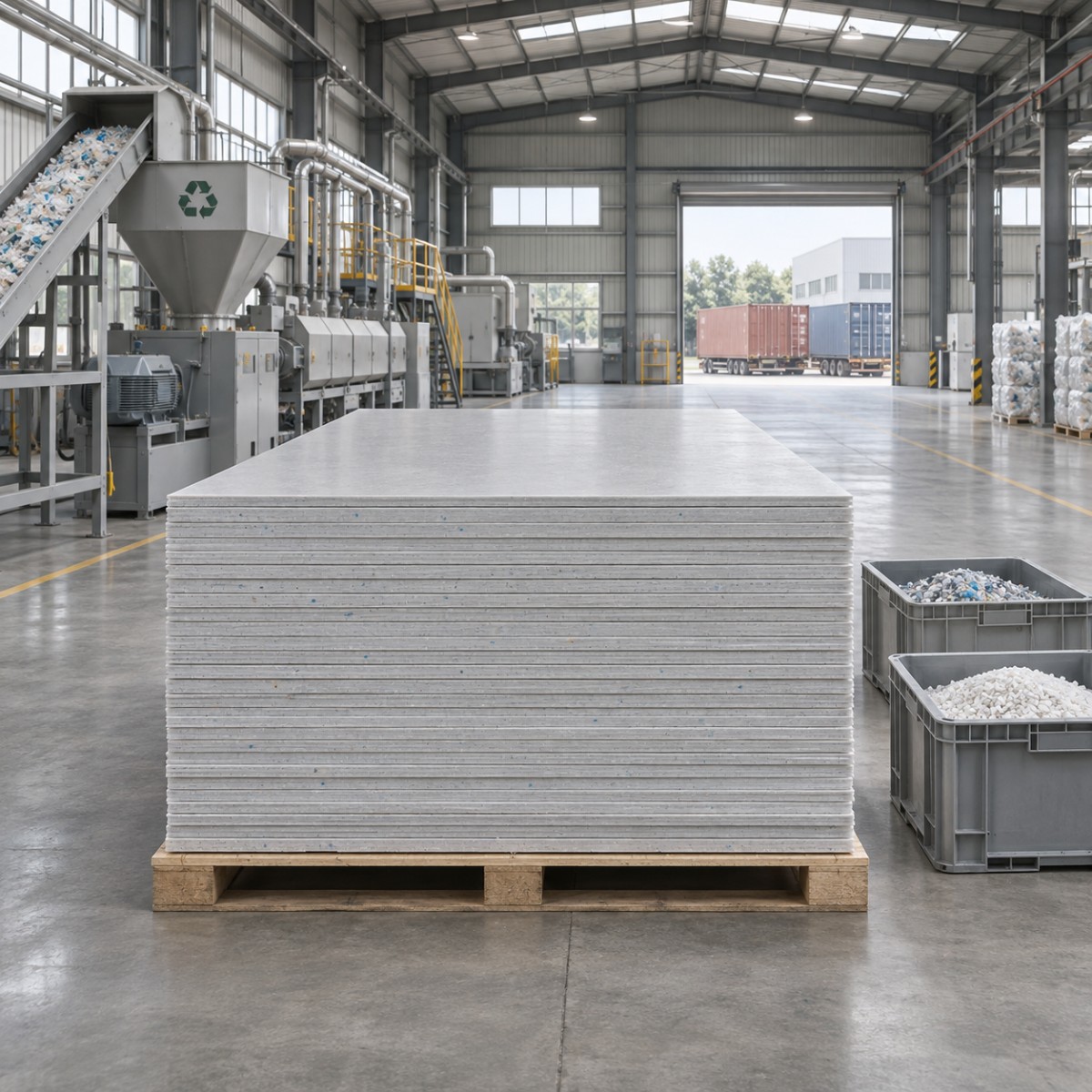
Trade routes and material sourcing face reassessment
Exporters must revisit destination plans
From an industry perspective, the distinction between OECD and non-OECD destinations is now central to planning EU plastic waste exports. Traders with established routes to non-OECD markets may need to review whether affected shipments can proceed and consider other arrangements. For OECD destinations, the tighter provisions make it important to verify the applicable conditions before committing material to a buyer.
Analysis suggests that contract negotiations could also become more sensitive to compliance responsibilities and delivery timing. Parties may wish to examine how their agreements address a shipment that cannot proceed as planned. The information provided does not specify the detailed conditions for OECD-bound exports or how individual shipments will be assessed.
Processors and buyers may see supply patterns shift
Waste processors and manufacturers purchasing recycled plastics may be affected if exporters redirect material or change their commercial arrangements. A processor that depends on imported waste, for example, may need to review its supply options, while a buyer of recycled material may need to ask suppliers whether sourcing changes could affect availability or delivery schedules.
These are potential consequences, not confirmed market outcomes. The direction and scale of any change would depend on how the rules are applied and how market participants respond. A change in trade flows should not be assumed to translate automatically into a particular price movement or guaranteed increase in supply for any buyer.
Logistics and documentation become part of the review
Supply chain service providers may need clearer information from customers about the intended destination and the status of the material being shipped. For an exporter and its service providers, checking that commercial documents consistently describe the material, parties and destination could help identify questions before a planned shipment.
This is a practical review suggestion, rather than a statement that a particular new document or certification is mandatory. The event summary does not identify specific forms, testing obligations, certification schemes or approval procedures.
What businesses can check before committing shipments
Map material and destination exposure
Companies can begin by identifying EU plastic waste shipments linked to non-OECD destinations and reviewing planned exports to OECD markets against the tightened provisions. A shipment-level review may help distinguish transactions directly affected by the stated ban from those requiring further examination under the rules for OECD members.
Verify the applicable requirements
Before entering or renewing contracts, businesses may wish to check relevant official publications and seek clarification on the requirements applicable to their material and destination. The input does not describe product scope in detail, exceptions, transitional arrangements or enforcement procedures. Those points should therefore remain open for verification rather than being assumed.
Discuss continuity with suppliers and customers
Buyers and processors could ask trading partners how they plan to respond to the change and whether existing delivery commitments remain workable. Where alternative sources or routes are being considered, parties may also wish to assess material suitability, commercial terms and delivery timing before relying on them. Such checks can inform procurement decisions without assuming that substitutes will be available on the same terms.
A rule in force, with execution still to watch
The event is best understood as an implemented change to the export framework, according to the information supplied. The ban’s stated effective date and the tightening of rules for OECD destinations are distinct from the practical questions that remain about individual transactions.
Further observation is needed on official explanations of the detailed provisions, trade implementation and industry feedback. Those developments may help businesses judge whether proposed routes and sourcing arrangements are workable. They may also clarify which documentation or other checks are relevant to particular transactions, without assuming requirements that have not been provided here.
Planning around a changed trade framework
The immediate significance for the industry is the need to reassess destination and supply decisions against a stated ban and tighter export provisions. Exporters, processors and buyers can treat the change as a prompt to review exposed transactions and verify applicable details. The eventual effects on trade flows and recycled-plastic supply remain matters for observation.
Basis for this report and further verification
This article is based on the user-provided news title, event date and summary. No specific official source link was provided in the input, so the underlying details require continued verification. Relevant material to consult may include official announcements, information from trade or customs authorities, and industry feedback. Further checks should focus on policy details, practical trade implementation and how businesses respond.
Related Posts
- Zhongtai Futures Sees Range-Bound PVC Market as Supply-Demand Pressures PersistNov 23, 2026PVC market outlook: Explore Zhongtai Futures’ range-bound forecast and how restart delays, energy prices, and raw material costs could shape prices.
- EU Registers PVC Imports From China and Other Origins in Anti-Dumping CaseNov 23, 2026EU PVC import registration could create future duty risks for shipments from China and other origins. Explore the potential impact on buyers and suppliers.
- EU Ban on Plastic Waste Exports to Non-OECD Countries Takes EffectNov 22, 2026EU plastic waste export ban: Explore potential impacts on trade routes, recycled plastic sourcing and PVC sheet supply chains, and learn what businesses should check.
Get A Quote

First class quality service and professional after-sales team.
Get A Quote
*We respect your confidentiality and all information are protected.