
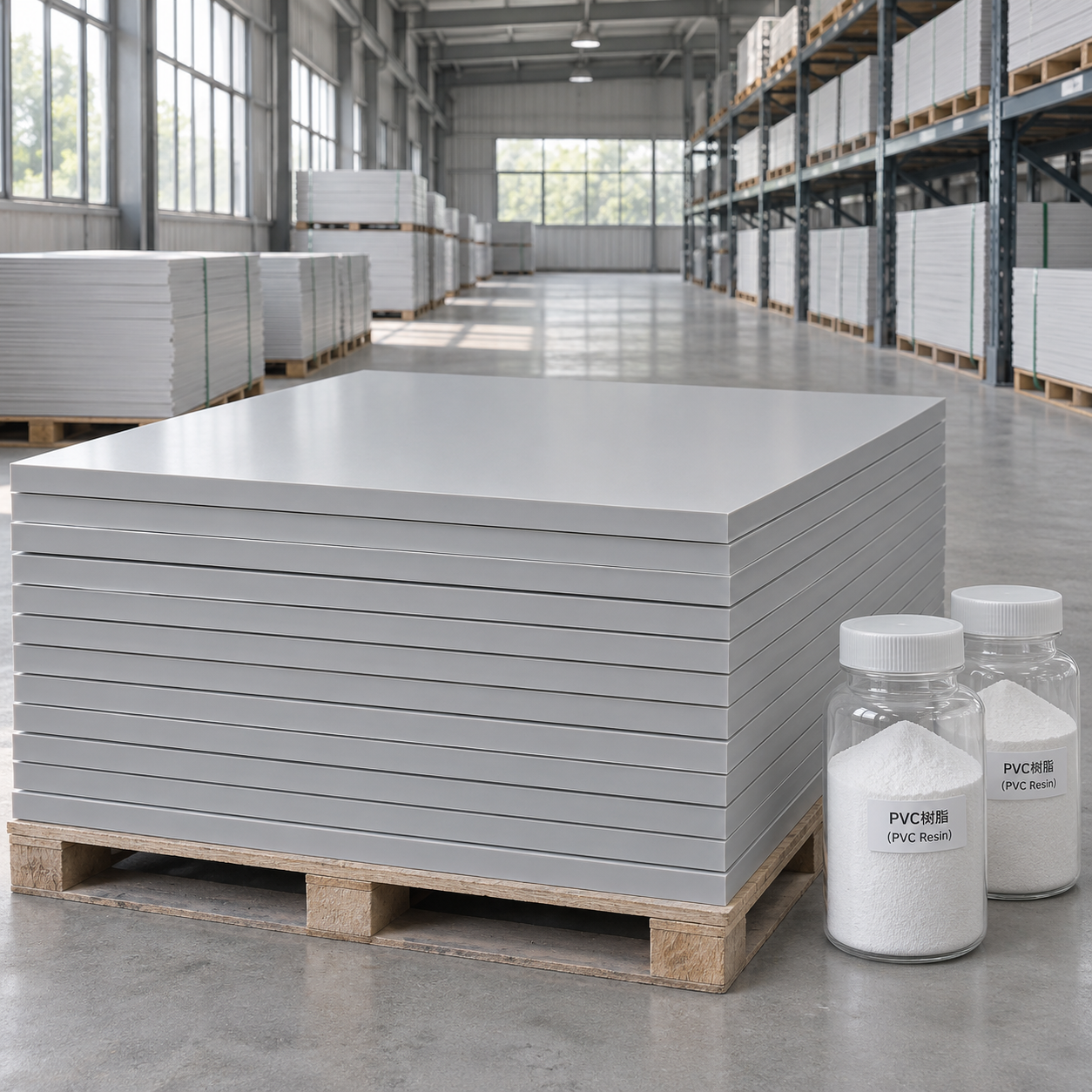
On November 16, 2026, PVC prices in Linyi were largely stable, with mainstream offers for calcium carbide-based Type 5 material at 5,030–5,050 yuan per tonne. The update matters to buyers and distributors assessing purchase terms against a market marked by caution and modest trading. No policy, regulatory, standard or trade-rule change is identified in the supplied information, so the development is best assessed as a market signal rather than evidence of a new requirement.
Stable offers alongside firmer futures
Prices in the Linyi PVC market fluctuated within a range on November 16 while remaining broadly stable. PVC futures moved with a firmer tone. Dealers made little change to their offers, market participants largely adopted a wait-and-see approach, and overall trading was modest. Mainstream local offers for calcium carbide-based Type 5 PVC stood at 5,030–5,050 yuan per tonne.
What the quotation range may mean for transactions
Distributors assessing offers and inquiries
From an industry perspective, limited changes in dealer offers may give distributors a reference point for discussions with customers. The reported range is an offer range, however, and the supplied information does not establish actual transaction prices. Distributors may therefore wish to distinguish an indicative quotation from the price and conditions agreed for a particular order.
The reported wait-and-see mood also suggests a reason to monitor inquiries and completed business separately. Analysis cannot establish from this update alone whether cautious sentiment will persist or how individual dealers will respond. For a distributor, the practical question is whether a quotation remains valid when a customer is ready to place an order.
Buyers comparing material and delivery terms
For raw-material purchasers and PVC processors, the identified product is calcium carbide-based Type 5 material. Analysis suggests that this distinction matters when comparing offers: a price is most useful when the material being offered matches the buyer's intended specification. The supplied update does not describe the detailed quality terms attached to individual offers.
Buyers may also find it useful to check order quantity, delivery arrangements and quotation validity with suppliers before using the reported range in a purchasing decision. These are suggested transaction checks, not newly announced regulatory obligations. The update does not establish any change in delivery conditions or supplier requirements.
Turning a market indication into a purchase decision
Confirm the scope of each quotation
A buyer comparing the reported 5,030–5,050 yuan-per-tonne range with an individual offer may wish to confirm the material, quantity and commercial terms covered by that offer. The input does not state whether every quotation in the range is based on identical terms. Treating the range as an initial reference can help keep a market indication distinct from an agreed purchase price.
Review timing against actual requirements
The combination of broadly stable local offers and firmer futures may warrant closer monitoring, but it does not establish a direction for subsequent physical prices. Procurement teams could review the timing of their material needs and request updated offers when making decisions. This is a precaution based on the reported conditions; the supplied information does not confirm a shortage, delay or future price movement.
Keep transaction documentation clear
Analysis suggests that buyers and sellers can reduce ambiguity by recording the product description, agreed price and delivery terms in their usual transaction documents. Any applicable technical or compliance requirements should be checked against the actual transaction and relevant authoritative information. No new certification, testing or documentation rule is identified in the supplied update.
Why the futures signal needs context
The reported firmer movement in PVC futures is relevant market context, while local dealer offers changed little and trading remained modest. Those observations describe different aspects of the same day's market. They do not, on their own, establish that futures movements have passed through to physical transaction prices or that a change in trading rules is taking effect.
At this stage, it is more appropriate to understand the update as a snapshot of pricing and sentiment than as an implementation signal for a policy or standard. Later quotations, actual transaction terms and market feedback could help participants assess whether the observed conditions persist. Any claim of a rule change would require separate verification against an authoritative source.
A reference point for measured purchasing
The Linyi quotation range gives market participants a dated reference for calcium carbide-based Type 5 PVC, accompanied by reports of cautious sentiment and modest trading. Its practical value lies in helping buyers and sellers frame current discussions while checking the terms of each prospective transaction. The available information supports neither a definite price forecast nor a conclusion that compliance requirements have changed.
Basis for this report and further checks
This article is based on the user-provided news title, event date and event summary. No specific official source link was provided in the input, so relevant information should continue to be verified. Subsequent market quotations and industry feedback may clarify trading conditions; if a policy, standard or trade-rule development is later reported, its details and implementation should be checked against the relevant official announcements or authoritative documents.
Related Posts
- Zhongtai Futures Sees Range-Bound PVC Market as Supply-Demand Pressures PersistNov 23, 2026PVC market outlook: Explore Zhongtai Futures’ range-bound forecast and how restart delays, energy prices, and raw material costs could shape prices.
- EU Registers PVC Imports From China and Other Origins in Anti-Dumping CaseNov 23, 2026EU PVC import registration could create future duty risks for shipments from China and other origins. Explore the potential impact on buyers and suppliers.
- EU Ban on Plastic Waste Exports to Non-OECD Countries Takes EffectNov 22, 2026EU plastic waste export ban: Explore potential impacts on trade routes, recycled plastic sourcing and PVC sheet supply chains, and learn what businesses should check.
Get A Quote

First class quality service and professional after-sales team.
Get A Quote
*We respect your confidentiality and all information are protected.