

International recycled PVC prices held steady during November 12–18, 2026, as limited overseas availability met subdued import demand from domestic buyers, according to the supplied weekly report summary. The development is relevant to traders, material buyers and manufacturers planning purchases and deliveries. The information describes market conditions; it does not identify a new trade rule, regulatory requirement or certification change.
Limited Availability Meets Inventory-Focused Buying
The supplied summary of a weekly report describes the international recycled PVC market as stable during November 12–18, 2026. Overall availability of recycled PVC circulating overseas was limited. Domestic pipe and profile manufacturers largely relied on their own inventories, while demand for new purchases remained subdued. The summary characterizes international trade in recycled PVC as a market with both weak supply and weak demand.
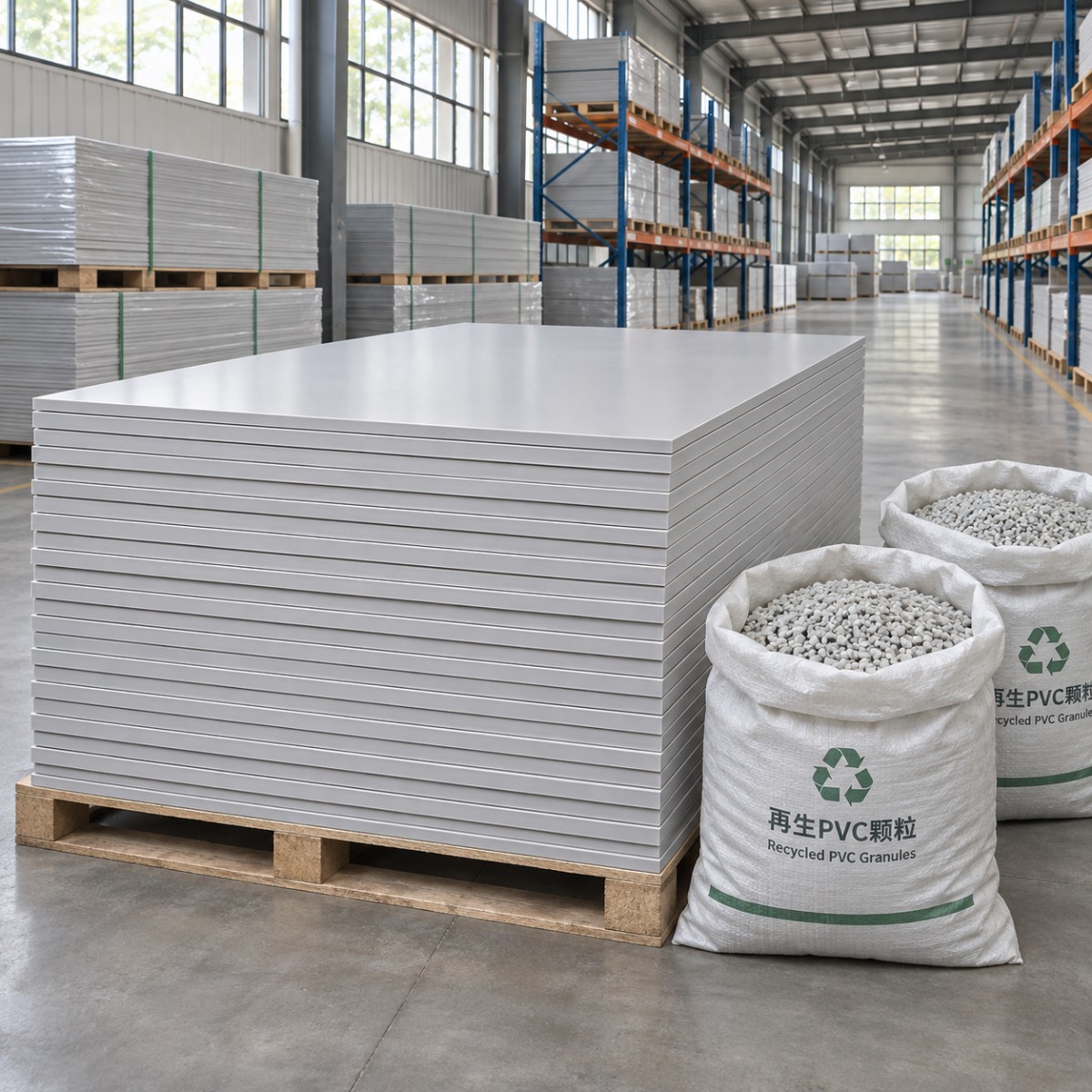
What Steady Prices Mean for Trade and Production
Traders Face Two Sides of a Quiet Market
From a trade perspective, limited available material and subdued buying interest can make it harder to match offers with orders. A seller may have fewer opportunities to secure material, while a buyer may have little immediate reason to commit if existing stock covers production needs. Stable prices during the reported period do not establish that either condition will persist.
For traders, the practical question is whether an offer can be converted into a transaction at a time and volume acceptable to both parties. They may want to check availability and delivery terms before making commitments. The supplied information does not establish that trade procedures have changed or that transactions have been delayed.
Pipe and Profile Producers Weigh Stock Against Replenishment
Analysis suggests that manufacturers using existing inventories may have flexibility to defer purchases, but their future needs will depend on their own production plans and remaining stock. If several buyers seek replenishment while overseas availability remains limited, procurement could become more difficult. That is a scenario to monitor, not an outcome established by the report.
For manufacturers, the relevant business links are inventory planning, material specifications and delivery scheduling. Buyers considering recycled PVC can assess whether an available batch fits their intended application and required delivery window. The input does not specify material grades or product performance, so no conclusion can be drawn about the suitability of particular supplies.
Checks Before the Next Purchase
Review Inventory and Timing Together
Companies may find it useful to compare usable inventory with anticipated production needs before deciding when to seek new material. An inventory total alone may not show how much stock is suitable for a particular pipe or profile application. A review of expected consumption and replenishment lead times can help buyers identify when they need firmer offers, although the report provides no specific lead-time data.
Confirm Availability and Delivery Terms
Because the reported overseas supply was limited, prospective buyers could ask suppliers to clarify the quantity available, the proposed delivery schedule and the period for which an offer remains valid. Traders may also consider confirming those points with their own suppliers before making commitments. These are precautionary commercial checks, not newly announced trade requirements.
Check Material Details and Transaction Documents
Before placing an order, buyers and sellers may wish to align the material description and relevant specifications with the intended use, then check that the transaction documents reflect the agreed terms. Where a customer requests supporting quality or origin information, the parties can verify what is available before concluding the sale. The input does not identify any new testing, certification or documentation rule, and it does not establish that a particular document is mandatory.
Assess Alternatives Against Actual Needs
If a preferred supply cannot be secured on acceptable terms, a manufacturer could evaluate another available material or adjust purchase timing. Any substitution would require assessment against the producer's own application and customer requirements. The report gives no basis for assuming that alternatives are available or technically interchangeable.
A Market Signal, With No Rule Change Established
At this stage, it is more appropriate to understand the report as a signal about supply and purchasing behavior than as evidence of a policy or regulatory change. Stable prices coexist in the supplied account with limited overseas availability and restrained domestic buying. Those conditions can affect negotiations and planning, but they do not by themselves demonstrate a change in import rules, certification practice or enforcement.
Subsequent information could change the assessment. In particular, businesses may want to monitor whether buyers begin replenishing inventories, whether available overseas material changes, and whether offers can be matched with workable delivery terms. Any reported policy, documentation or certification change would need separate verification before being treated as an applicable requirement.
Planning Around an Unresolved Balance
The reported week points to a market in which neither limited supply nor subdued demand translated into a stated price movement. From an industry perspective, the immediate task is to connect purchasing decisions with actual inventory needs and verifiable supplier offers. The available information supports continued observation of trade conditions, rather than a conclusion that a new rule has taken effect or that prices will follow a particular path.
Basis for This Report and Further Verification
This article is based on the user-provided news title, event dates and summary of a weekly report. No specific official source link was provided in the input, so relevant information should be verified as it becomes available. Subsequent checks may include official announcements, information from trade authorities, industry reports and feedback from market participants, particularly for any claimed changes to trade procedures, documentation or certification practices.
Related Posts
- Zhongtai Futures Sees Range-Bound PVC Market as Supply-Demand Pressures PersistNov 23, 2026PVC market outlook: Explore Zhongtai Futures’ range-bound forecast and how restart delays, energy prices, and raw material costs could shape prices.
- EU Registers PVC Imports From China and Other Origins in Anti-Dumping CaseNov 23, 2026EU PVC import registration could create future duty risks for shipments from China and other origins. Explore the potential impact on buyers and suppliers.
- EU Ban on Plastic Waste Exports to Non-OECD Countries Takes EffectNov 22, 2026EU plastic waste export ban: Explore potential impacts on trade routes, recycled plastic sourcing and PVC sheet supply chains, and learn what businesses should check.
Get A Quote

First class quality service and professional after-sales team.
Get A Quote
*We respect your confidentiality and all information are protected.