
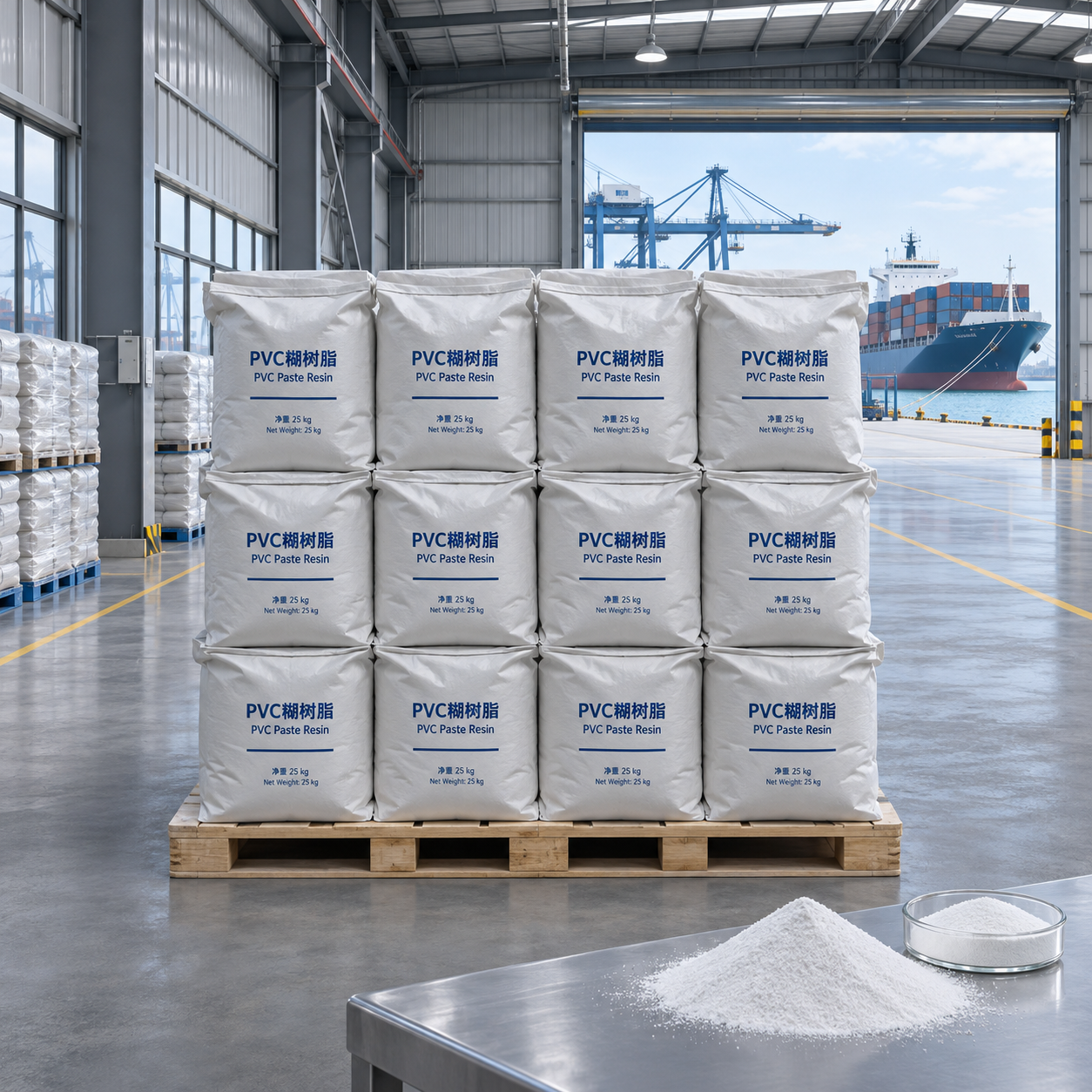
China's PVC paste resin trade shifted in the first nine months of 2026, with imports falling and exports rising year on year, according to customs statistics. The figures merit attention from importers, exporters and resin buyers assessing procurement and delivery plans. The supplied information does not identify a change in trade rules or policy.
Imports Contract While Exports Increase
From January to September 2026, China imported 72,000 tonnes of PVC paste resin, down 9% year on year, at an average price of US$1,084 per tonne. Imports came mainly from Taiwan, China.
Over the same period, exports reached 74,300 tonnes, up 13.44% year on year. The average export price was US$948 per tonne, US$50 per tonne lower than a year earlier.
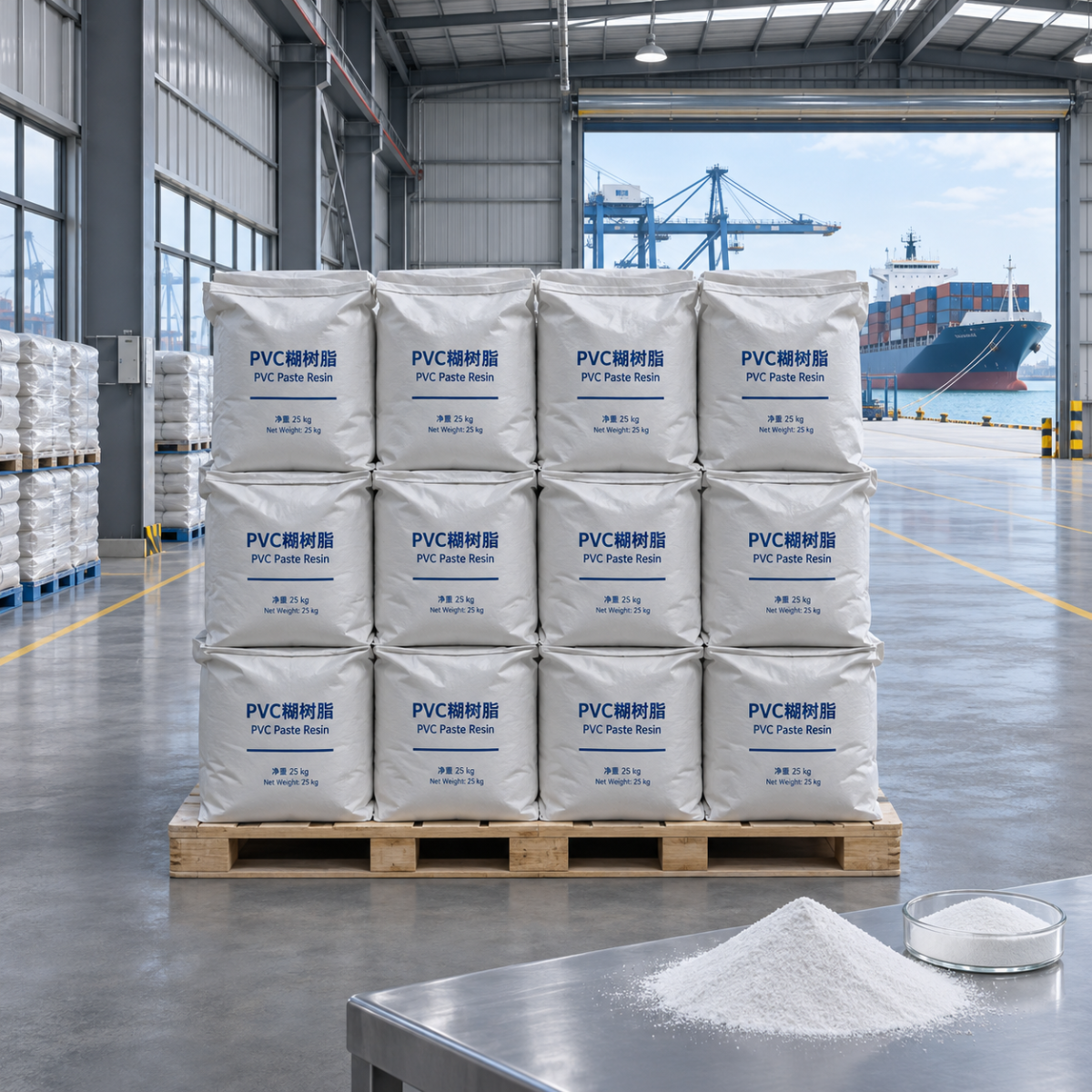
Trade Flows Bring Different Questions for Buyers and Sellers
Import Buyers and Suppliers
From a procurement perspective, lower aggregate imports may prompt buyers to review sourcing plans and supplier availability, particularly where purchases depend on material from Taiwan, China. The figures do not establish the cause of the decline or show whether supply conditions changed for individual buyers. Companies may wish to check specifications, commercial terms and expected delivery schedules with their suppliers.
Exporters and Distribution Channels
Analysis suggests that higher export volumes alongside a lower average export price may make pricing and contract review more important for sellers and distributors. The aggregate figures do not establish the prices achieved by individual suppliers or explain the decline in the average. Exporters may also wish to verify applicable documentation and destination requirements for each transaction; the supplied information identifies no new requirement.
Checks to Support Procurement and Delivery Decisions
Compare Prices on a Consistent Basis
Buyers and sellers can use the reported averages as a starting point for discussion, while checking the product specifications and commercial terms behind their own quotations. The supplied data does not explain differences between import and export averages or identify the terms on which the transactions were priced.
Review Supply and Product Documentation
Companies considering changes to purchase volumes or suppliers may wish to confirm lead times, product specifications and available quality documentation before placing orders. Where an alternative product is considered, users can assess its suitability for their application rather than assuming it is interchangeable.
Verify Transaction Requirements
Trade teams should check the requirements applicable to their own shipments and monitor any subsequent official trade or regulatory updates. No policy, certification change or revised customs procedure is specified in the supplied information.
A Trade Signal, Not Evidence of a New Rule
At this stage, it is more appropriate to understand the figures as a signal about reported trade flows and average prices, not as evidence that a policy or rule has changed. The data alone does not establish why imports fell, why exports rose or why the average export price declined. Subsequent customs releases, trade execution and industry feedback may help assess whether these movements persist and whether any rule changes become relevant.
Keeping the Figures in Perspective
The reported January–September results give PVC paste resin market participants a basis for reviewing sourcing and sales assumptions. A measured response is to verify transaction-specific prices, supply arrangements and applicable requirements while continuing to monitor later information, rather than treating the figures as proof of a regulatory change or a guaranteed market outcome.
Basis for This Report
This article is based on the supplied news title, event period and summary, which attribute the trade figures to customs statistics. No specific official source link was provided in the input, so the figures and any subsequent developments should be independently verified. Relevant follow-up may include customs or trade authority releases, any applicable policy details, trade execution and industry feedback.
Related Posts
- EU Plastic Waste Export Ban Takes Effect for Non-OECD CountriesNov 24, 2026Explore how the EU plastic waste export ban to non-OECD countries could reshape recycling capacity and recycled PVC feedstock supply.
- Westlake Agrees to $199 Million PVC Pipe Price-Fixing SettlementNov 24, 2026Westlake's $199 million PVC pipe price-fixing settlement brings its total to $266 million. Explore what the agreement means for the PVC industry.
- Zhongtai Futures Sees Range-Bound PVC Market as Supply-Demand Pressures PersistNov 23, 2026PVC market outlook: Explore Zhongtai Futures’ range-bound forecast and how restart delays, energy prices, and raw material costs could shape prices.
Get A Quote

First class quality service and professional after-sales team.
Get A Quote
*We respect your confidentiality and all information are protected.