
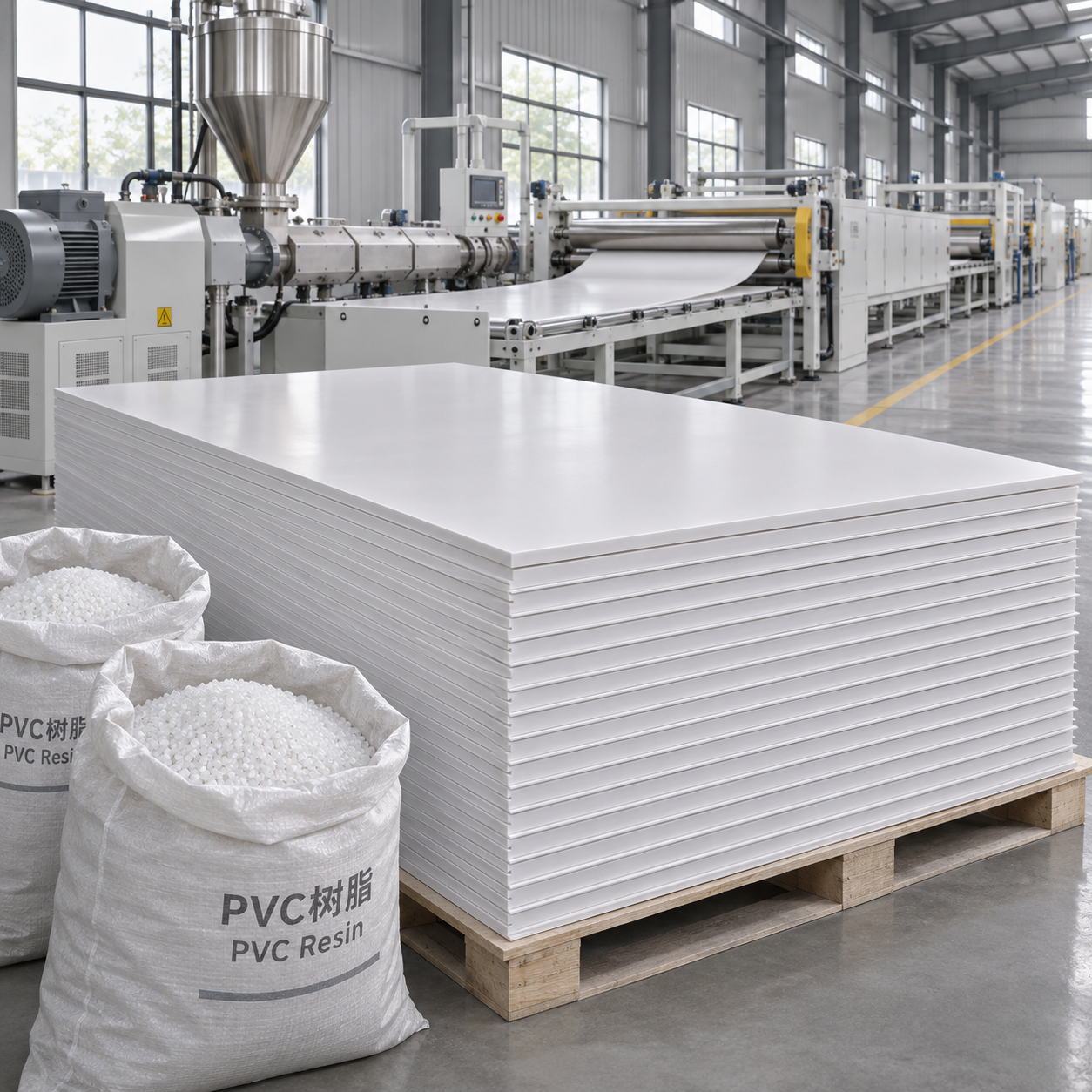
China's PVC output fell in October 2026, while carbide-route operating rates were expected to improve in November as fewer facilities underwent maintenance, according to a November 2 report by the Financial Associated Press. The information points to a potential shift in supply conditions for PVC producers, traders and downstream buyers, but does not identify a policy or regulatory change.
October Output and November Operating Expectations
Domestic PVC production in October 2026 was 1.6995 million tonnes, down 3.74% from the previous month and 20.14% from a year earlier. In November, fewer facilities were undergoing maintenance than in the preceding month, and carbide-route operating rates were expected to rise. Ethylene-route operating rates were expected to remain low.
Overall supply remained low, while demand continued to be subdued and stable. Downstream buyers became more inclined to wait and observe as raw material prices remained high.
Supply Expectations Reach Procurement and Sales
Producers and Traders
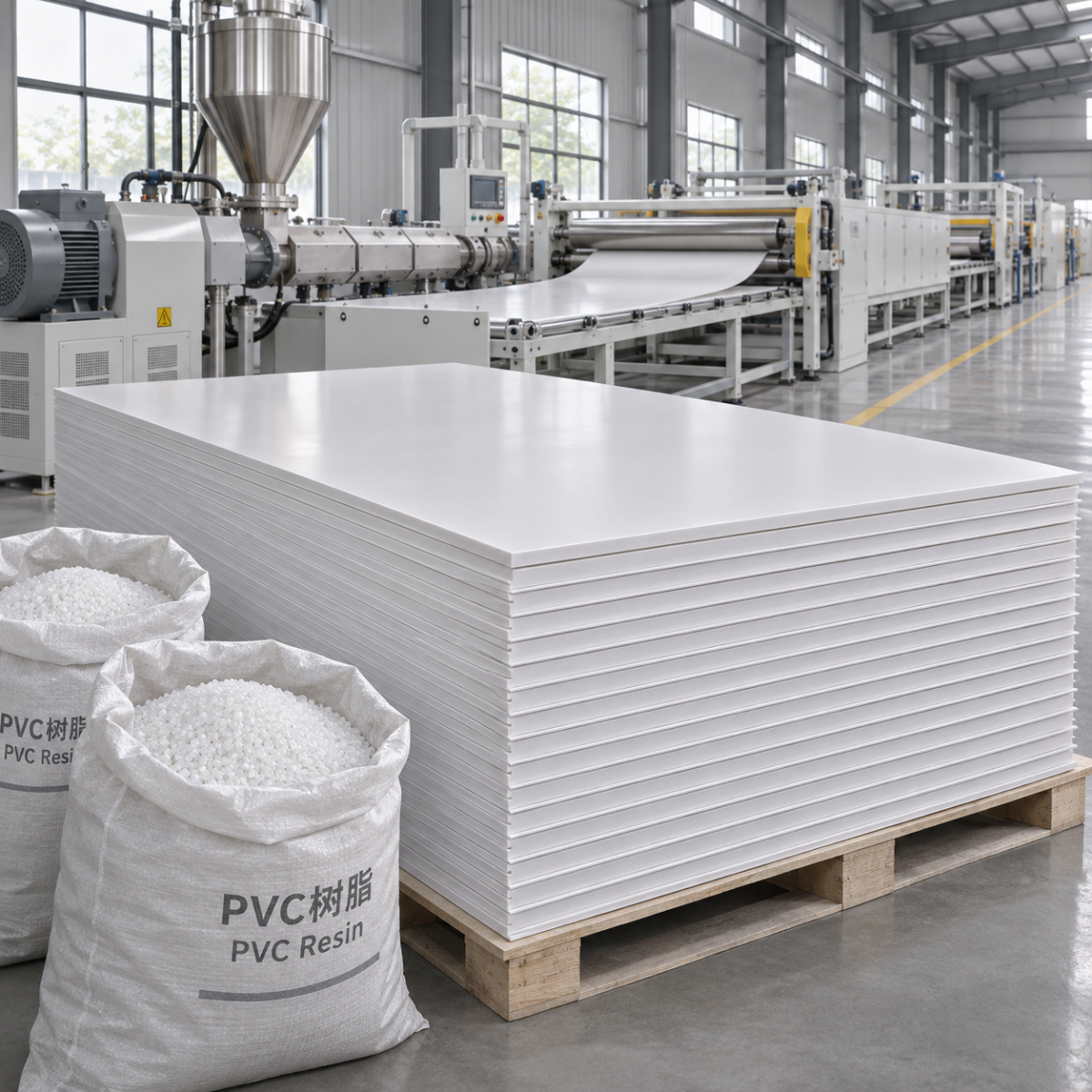
From an industry perspective, a potential increase in carbide-route operating rates may affect how producers and traders assess availability and plan sales. The expected improvement is not confirmed additional output, however, and continued low ethylene-route operating rates could limit the extent of any supply response.
Downstream Buyers and Processors
Analysis suggests that subdued demand and buyer hesitation may make purchasing decisions more sensitive to material prices and delivery terms. Buyers and processors may need to balance the risk of waiting against the possibility that available supply and operating rates develop differently from current expectations.
What to Check Before Committing to Purchases
Confirm Availability by Production Route
Buyers and traders could monitor whether the expected rise in carbide-route operating rates translates into material available for sale. They may also wish to check availability from ethylene-route suppliers, given the expectation of continued low operating rates.
Review Timing and Delivery Terms
When arranging purchases, businesses may consider confirming quantities and delivery schedules with suppliers and reviewing those plans as operating conditions change. The information provided does not establish a specific delivery disruption.
Reassess Price and Demand Assumptions
Procurement teams may benefit from revisiting purchase timing as raw material prices and downstream demand develop. Current buyer caution is a market signal, not confirmation of a future price movement or a mandatory change in purchasing practice.
A Supply Signal, Not a New Rule
At this stage, it is more appropriate to understand the report as a market and operating signal requiring further observation, rather than implementation of a new policy, standard, certification requirement or trade rule. The supplied information identifies no such change. Actual operating rates, available supply, raw material prices and downstream purchasing behavior could affect the assessment as November progresses.
Keeping November Plans Flexible
The October decline establishes a lower production starting point, while the expected improvement in carbide-route operations remains an outlook rather than a confirmed production result. A measured response is to track actual availability and demand before treating the expectation as a settled change in supply.
Basis of This Report
This article is based on the supplied news title, event period and summary, including their reference to a November 2 report by the Financial Associated Press. No specific official source link was provided in the input; the underlying information therefore requires continued verification. Subsequent production and operating-rate updates, supplier information and market feedback may help assess how conditions develop.
Related Posts
- EU Plastic Waste Export Ban Takes Effect for Non-OECD CountriesNov 24, 2026Explore how the EU plastic waste export ban to non-OECD countries could reshape recycling capacity and recycled PVC feedstock supply.
- Westlake Agrees to $199 Million PVC Pipe Price-Fixing SettlementNov 24, 2026Westlake's $199 million PVC pipe price-fixing settlement brings its total to $266 million. Explore what the agreement means for the PVC industry.
- Zhongtai Futures Sees Range-Bound PVC Market as Supply-Demand Pressures PersistNov 23, 2026PVC market outlook: Explore Zhongtai Futures’ range-bound forecast and how restart delays, energy prices, and raw material costs could shape prices.
Get A Quote

First class quality service and professional after-sales team.
Get A Quote
*We respect your confidentiality and all information are protected.